18/12/2025
Floor Hardener: The Ultimate Solution for Strong, Durable Concrete Floors
Sharif Al Mahmud
Concrete floors are widely used in industrial, commercial, and residential projects due to their strength and cost-effectiveness. However, untreated concrete surfaces can suffer from dusting, abrasion, and premature wear. This is where floor hardener plays a crucial role. A floor hardener significantly improves the durability, strength, and lifespan of concrete floors, making them ideal for high-traffic and heavy-load environments.
In this blog, we will explore what floor hardener is, its types, benefits, applications, installation process, and why it is essential for modern construction projects.
What Is Floor Hardener?
A floor hardener is a construction material applied to freshly laid or existing concrete surfaces to enhance surface strength, abrasion resistance, and durability. It works by increasing the density of the concrete surface, reducing dust formation, and improving resistance to impact and wear.
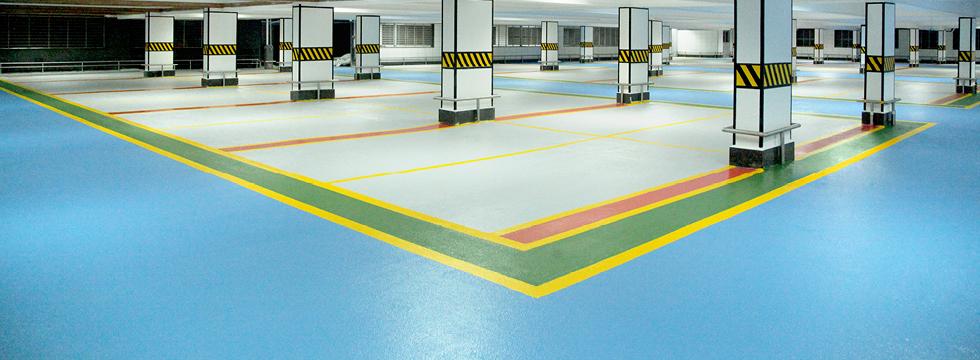
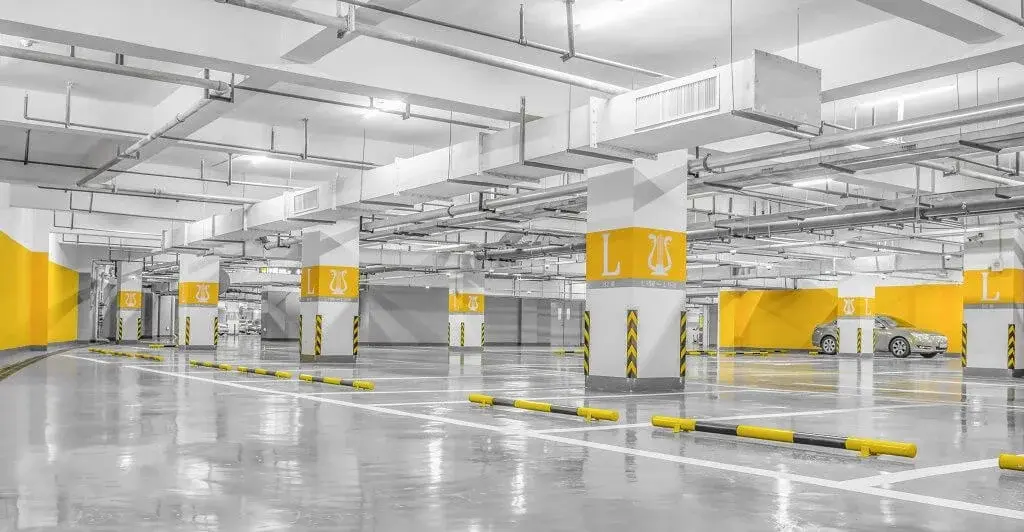
Floor hardeners are commonly used in industrial floors, warehouses, parking areas, factories, and commercial buildings where concrete floors are exposed to heavy use.
Types of Floor Hardener
There are several types of floor hardener available, each designed for specific applications:
1. Dry Shake Floor Hardener
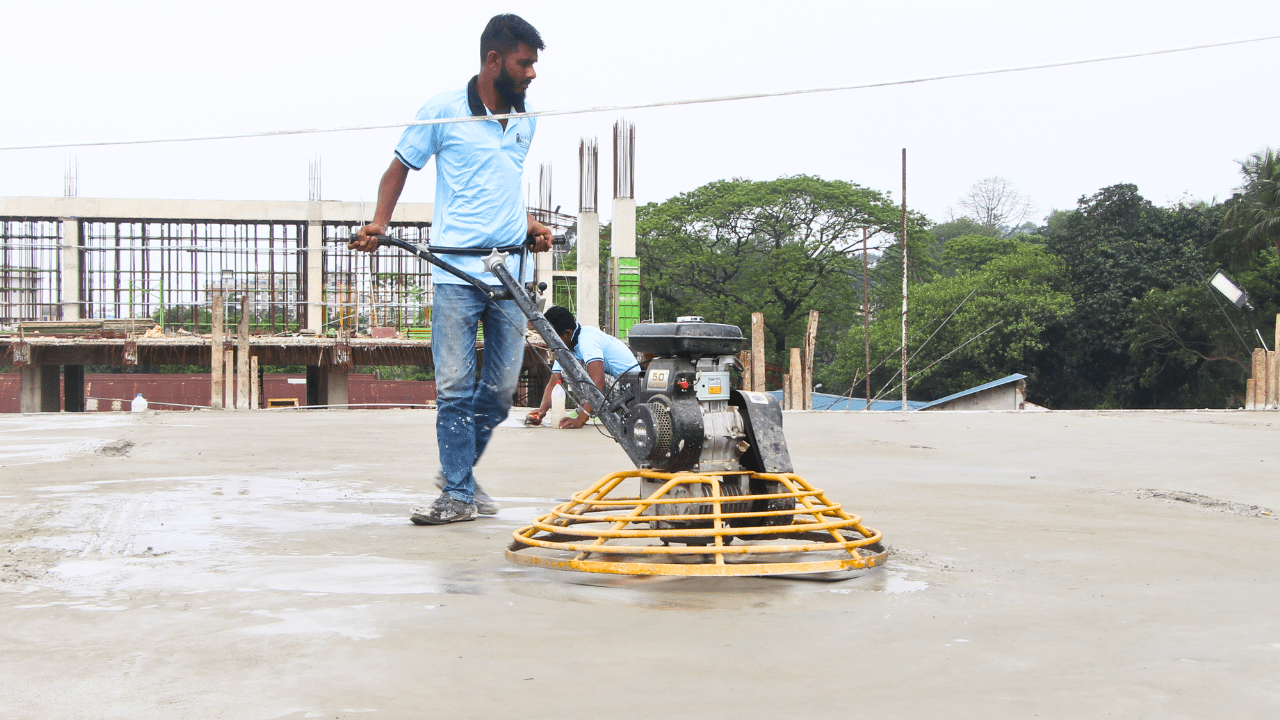
Dry shake floor hardener is broadcast over freshly poured concrete and worked into the surface. It is widely used in industrial flooring.
Common materials include:
-
Quartz
-
Emery
-
Metallic aggregates
2. Liquid Floor Hardener (Chemical Hardener)
Liquid floor hardeners are applied to cured concrete surfaces. They chemically react with concrete to increase surface density and hardness.
Key features:
-
Penetrates deeply into concrete
-
Reduces dusting
-
Easy to apply
3. Metallic Floor Hardener
This type uses metallic aggregates for extreme abrasion and impact resistance. It is suitable for heavy industrial environments.
Benefits of Floor Hardener
Using a floor hardener provides multiple advantages:
-
Increased surface strength
-
Excellent abrasion and wear resistance
-
Dust-free concrete surface
-
Improved load-bearing capacity
-
Longer floor lifespan
-
Low maintenance requirements
-
Cost-effective flooring solution
These benefits make floor hardener a preferred choice for high-performance flooring systems.
Applications of Floor Hardener
Floor hardeners are suitable for a wide range of projects, including:
-
Industrial factories and plants
-
Warehouses and logistics centers
-
Car parking floors and ramps
-
Commercial buildings and showrooms
-
Loading docks and workshops
-
Power plants and manufacturing units
Wherever durability and performance are critical, floor hardener is an ideal solution.
Floor Hardener Installation Process
The application process depends on the type of floor hardener:
For Dry Shake Floor Hardener:
-
Pour and level fresh concrete
-
Allow initial setting
-
Broadcast dry shake floor hardener evenly
-
Trowel the surface to achieve required finish
-
Cure the concrete properly
For Liquid Floor Hardener:
-
Clean the concrete surface
-
Apply the liquid hardener using spray or roller
-
Allow penetration and chemical reaction
-
Remove excess material
-
Cure and allow proper drying
Proper installation ensures maximum performance and durability.
Why Floor Hardener Is Important for Concrete Floors
Without a floor hardener, concrete floors are more prone to cracking, dusting, surface erosion, and early failure. Floor hardener strengthens the top layer of concrete, protects against mechanical damage, and maintains a clean, professional appearance for years.
It is especially important in industrial and commercial environments where floors face constant traffic, machinery, and heavy loads.
Choosing the Right Floor Hardener
When selecting a floor hardener, consider the following factors:
-
Type of traffic (light, medium, or heavy)
-
Load requirements
-
Environmental conditions
-
Desired finish and appearance
-
Budget and maintenance needs
Consulting with flooring professionals ensures the right product and application method for your project.
Conclusion
A floor hardener is an essential component of modern concrete flooring systems. It enhances strength, durability, and performance while reducing maintenance costs and extending floor life. Whether for industrial, commercial, or residential applications, floor hardener provides a long-lasting and reliable flooring solution.
If you are planning a concrete flooring project, investing in a high-quality floor hardener will ensure superior performance and long-term value.
Latest News & Blog
Discover stories, innovations, and knowledge from our experts.