18/12/2025
Polyurethane Flooring (PU): A Complete Guide to Durable and Stylish Floors
Sharif Al Mahmud
When it comes to modern flooring solutions, Polyurethane Flooring (PU) has emerged as one of the most versatile and durable options for industrial, commercial, and residential spaces. Combining aesthetic appeal with high performance, PU flooring is rapidly gaining popularity across various sectors. In this blog, we’ll explore everything you need to know about polyurethane flooring—from its composition to benefits, applications, and maintenance tips.
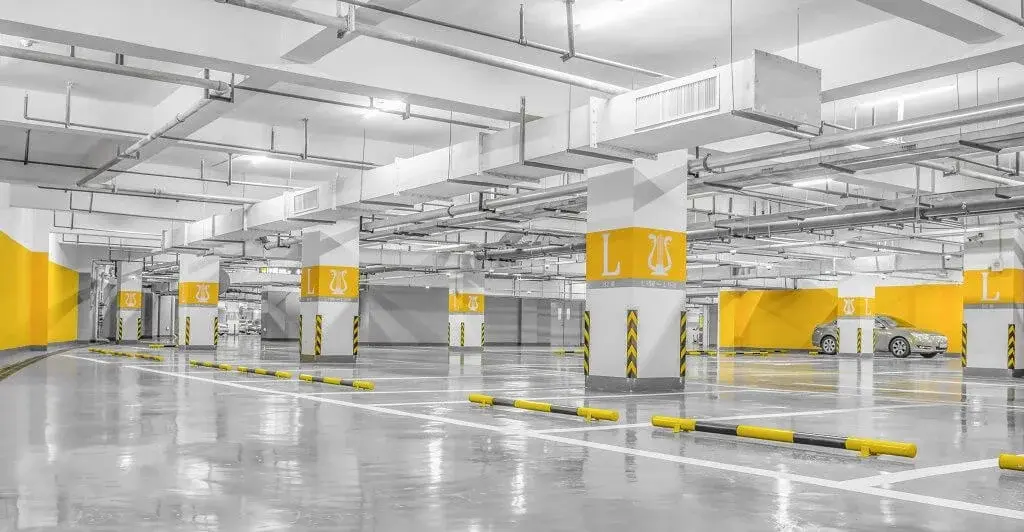
What is Polyurethane Flooring (PU)?
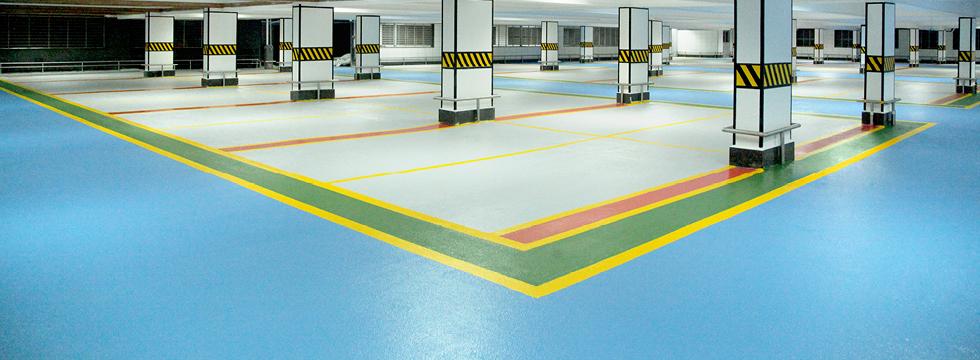
Polyurethane flooring (PU) is a type of resin-based flooring system created using polyurethane compounds. These compounds form a tough, elastic, and seamless layer over the substrate, providing a smooth, hard-wearing surface. PU flooring is available in both self-leveling and trowel-applied systems, allowing customization based on the floor’s intended use.
Unlike traditional flooring materials, PU flooring is highly flexible and resistant to impact, chemicals, abrasion, and UV radiation, making it ideal for areas subjected to heavy foot traffic and dynamic mechanical stress.
Types of Polyurethane Flooring
Polyurethane flooring comes in various types, each designed to meet specific functional and aesthetic requirements:
-
Self-Leveling PU Flooring
Provides a smooth, glossy, and seamless finish. Perfect for modern commercial spaces like offices, showrooms, and hospitals. -
Trowel-Applied PU Flooring
Offers a thicker, more durable layer suitable for industrial areas, warehouses, and manufacturing units. -
PU Coating
A protective layer applied over existing concrete or epoxy surfaces to enhance durability and chemical resistance. -
PU Mortar Flooring
Combines polyurethane with aggregates to provide a heavy-duty floor solution for high-impact areas like workshops and factories.
Key Benefits of Polyurethane Flooring
PU flooring is highly valued for its exceptional performance and design flexibility. Here are some of its notable benefits:
-
Durability: Resistant to scratches, wear, and heavy mechanical loads.
-
Flexibility: Handles substrate movement without cracking.
-
Chemical Resistance: Resistant to acids, alkalis, and oils—ideal for industrial areas.
-
UV Stability: Prevents yellowing and fading under sunlight, making it perfect for exposed areas.
-
Seamless Finish: Smooth, hygienic surface that is easy to clean and maintain.
-
Customizable Design: Available in a wide range of colors, textures, and finishes.
Applications of Polyurethane Flooring
PU flooring is highly versatile and suitable for various environments, including:
-
Industrial Facilities: Factories, warehouses, and workshops benefit from PU flooring due to its chemical resistance and durability.
-
Commercial Spaces: Offices, malls, hotels, and restaurants use PU flooring for its aesthetic appeal and easy maintenance.
-
Healthcare Facilities: Hospitals and clinics prefer PU flooring for its hygienic, seamless surface that is easy to disinfect.
-
Residential Areas: Modern homes can incorporate PU flooring for stylish living rooms, kitchens, or basements.
-
Sports and Recreational Areas: Provides a slip-resistant, impact-absorbing surface suitable for gyms and sports halls.
PU Flooring Installation Process
The installation of polyurethane flooring is precise and requires professional expertise. Here’s a brief overview:
-
Surface Preparation: Concrete substrate is cleaned, leveled, and primed.
-
Mixing PU Compound: Polyurethane resin and hardener are mixed according to manufacturer specifications.
-
Application:
-
Self-leveling PU is poured and spread using a trowel or spike roller.
-
Trowel-applied PU is manually spread to achieve the desired thickness.
-
-
Curing: The floor is left to cure for 24–48 hours, depending on the system and environmental conditions.
-
Inspection and Finishing: Surface is inspected for uniformity, and additional top coatings may be applied if needed.
Maintenance Tips for PU Flooring
Maintaining polyurethane flooring is relatively simple but crucial for longevity:
-
Regular sweeping and wet mopping to remove dust and dirt.
-
Avoid using harsh acidic or alkaline cleaners.
-
Promptly clean chemical spills to prevent staining.
-
Use mats at entrances to minimize abrasive dirt.
-
Schedule periodic professional inspections for industrial floors.
Why Choose Polyurethane Flooring?
Polyurethane flooring offers the perfect balance of durability, flexibility, aesthetics, and hygiene. Whether you’re designing a sleek commercial space, a high-traffic industrial facility, or a stylish home interior, PU flooring provides a cost-effective and long-lasting solution. Its seamless finish, chemical resistance, and UV stability make it superior to traditional concrete, tile, or epoxy floors in many scenarios.
Conclusion
Polyurethane Flooring (PU) is more than just a floor covering—it’s a long-term investment in durability, safety, and style. With its versatile applications, ease of maintenance, and excellent performance characteristics, PU flooring is an ideal choice for anyone looking to combine functionality with modern aesthetics.
For industries, commercial establishments, or homeowners looking for high-quality flooring solutions, investing in polyurethane flooring ensures a resilient, visually appealing, and low-maintenance floor that stands the test of time.
Latest News & Blog
Discover stories, innovations, and knowledge from our experts.